
Cook Nutritious Food at Home
Master the art of preparing wholesome, delicious meals in your own kitchen. Learn practical techniques to transform fresh ingredients into nourishing dishes that support your wellness journey.
The information on this site is for educational purposes only and does not constitute medical advice. Always consult a qualified healthcare professional before making health decisions.
Why Cook at Home?

Cooking your own meals gives you complete control over what goes into every dish. When you prepare food at home, you decide the quality of ingredients, portion sizes, and cooking methods — something you simply cannot guarantee when eating out.
Home cooking is not only more economical, but it also reconnects you with the food you eat. The process of selecting ingredients, learning proper techniques, and creating meals from scratch becomes a meaningful part of your daily routine.
By building strong cooking skills, you empower yourself to make better food choices every single day. Fresh herbs, whole grains, lean proteins, and seasonal vegetables become the foundation of meals that truly nourish your body.
- Full ingredient control: Know exactly what you're eating
- Cost savings: More affordable than dining out
- Skill development: Master techniques that last a lifetime
- Mindful eating: Build a stronger connection to your food
Featured Cooking Inspiration
Discover diverse recipes and techniques to elevate your home cooking experience
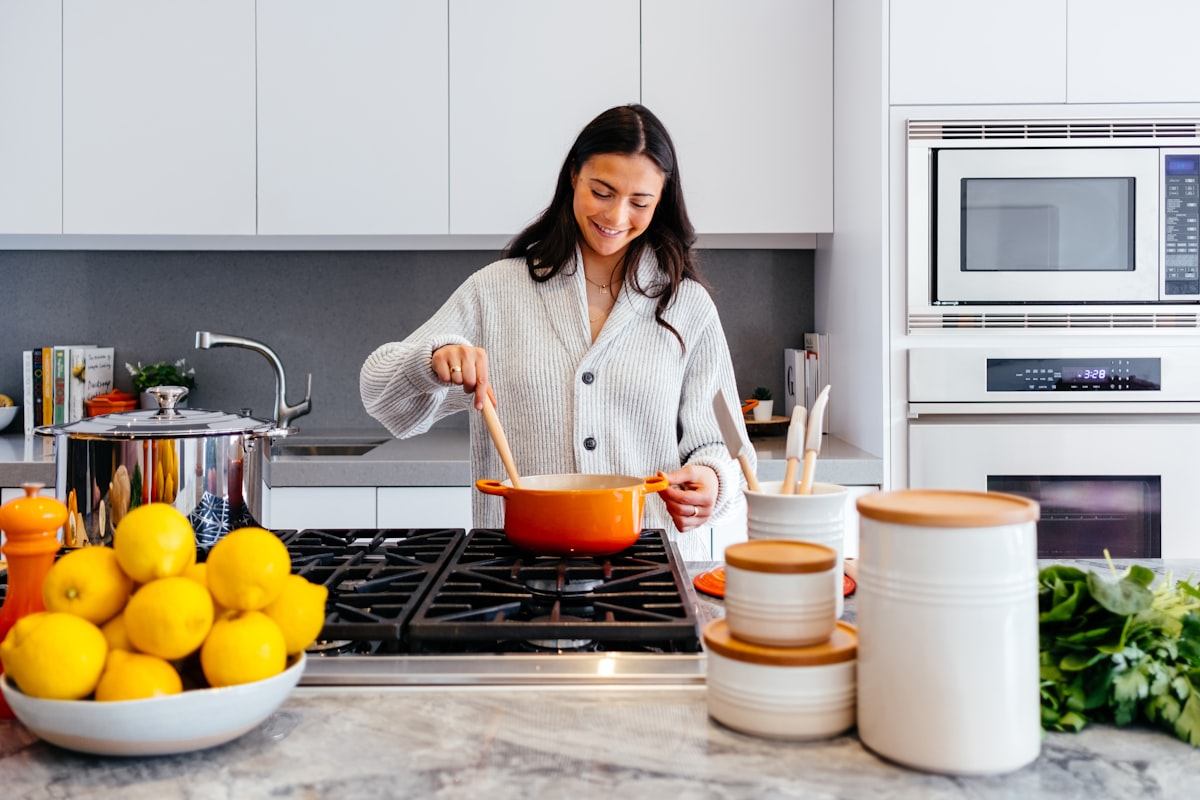
Mediterranean Cooking
Explore time-honored techniques from Greece, Italy, and Spain. Learn how olive oil, fresh herbs, and seasonal produce create dishes that are both delicious and nourishing.
Read Articles →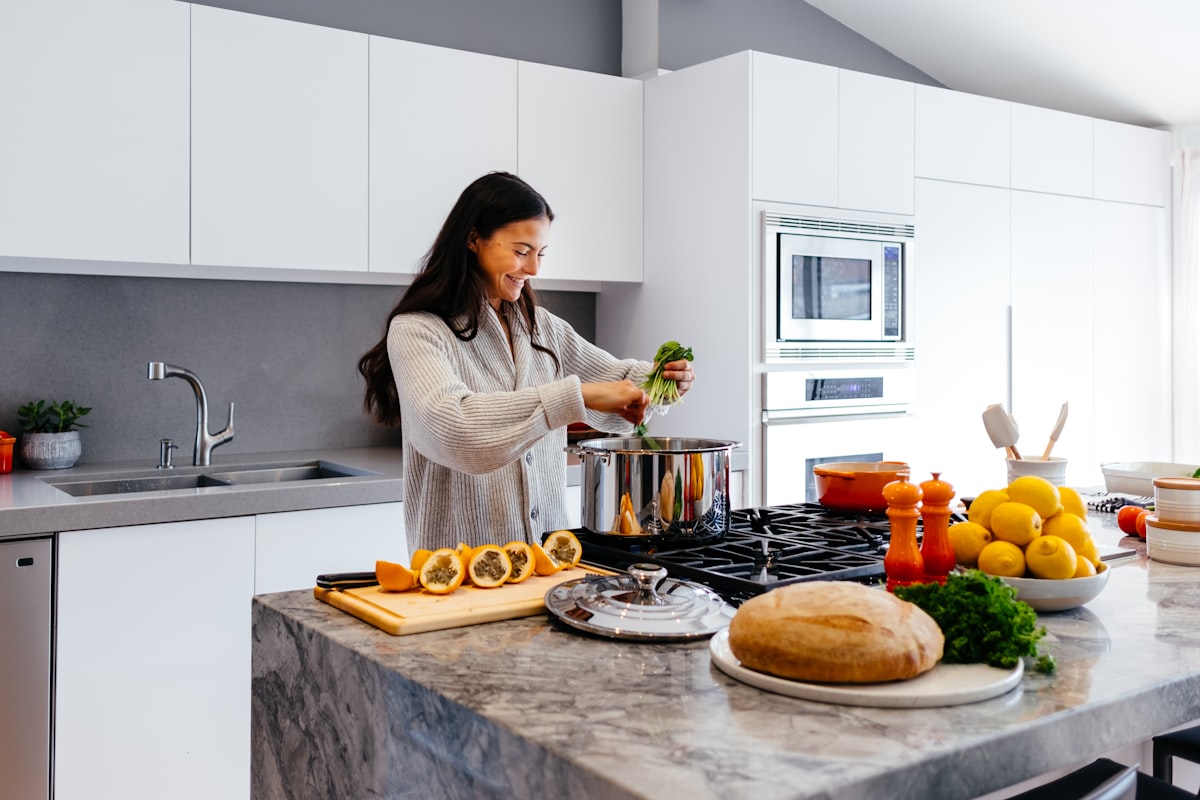
Whole Grain Cooking
Master the preparation of quinoa, farro, brown rice, and other ancient grains. These nutrient-dense staples form the backbone of countless delicious and satisfying bowls and side dishes.
Read Articles →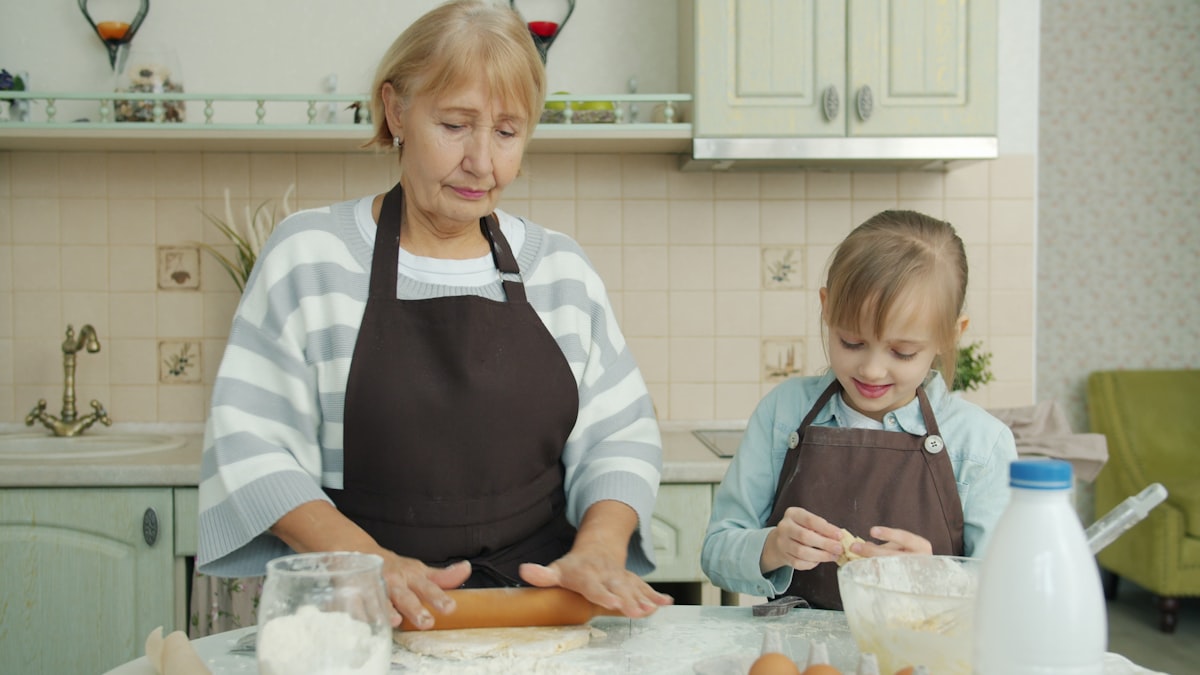
Fresh Herb Techniques
Discover how to select, store, and use fresh herbs to maximize flavor. From basil to oregano, learn which herbs pair with different ingredients and cooking methods.
Read Articles →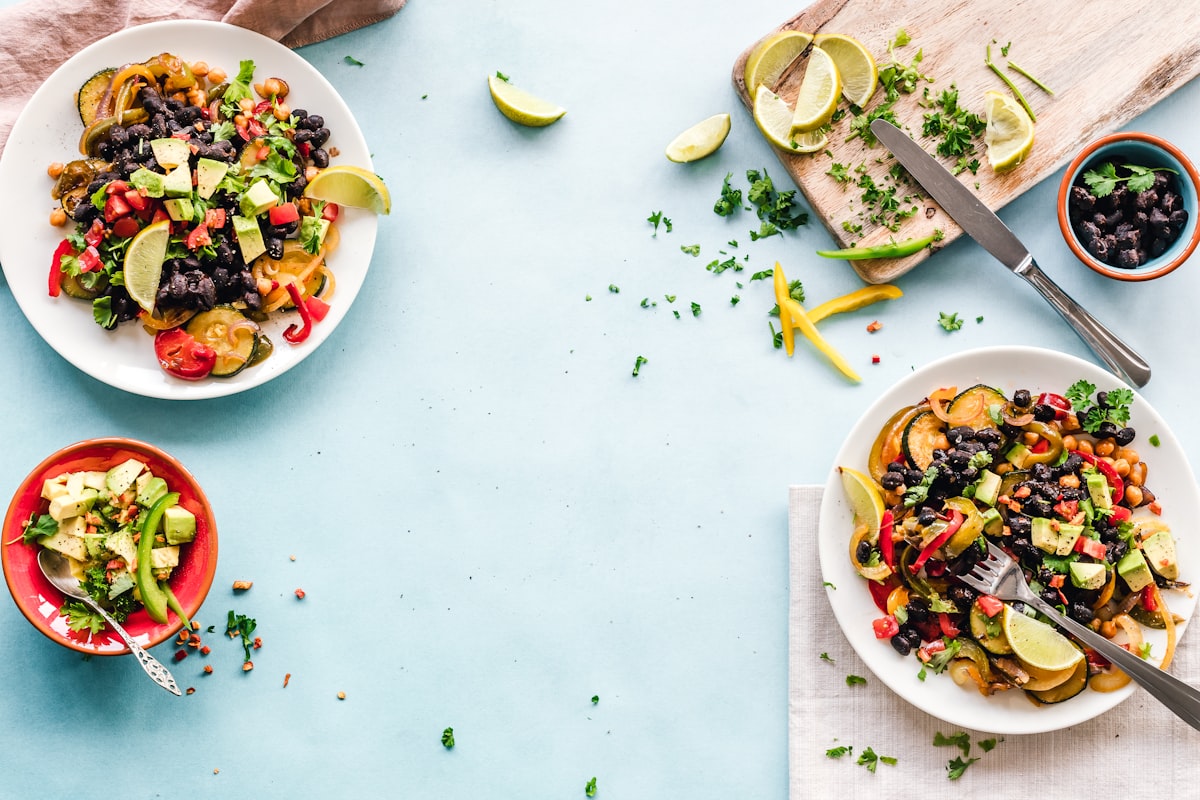
Protein Preparation
Learn proper cooking methods for poultry, fish, legumes, and plant-based proteins. Perfect cooking temperatures and techniques ensure delicious results every time.
Read Articles →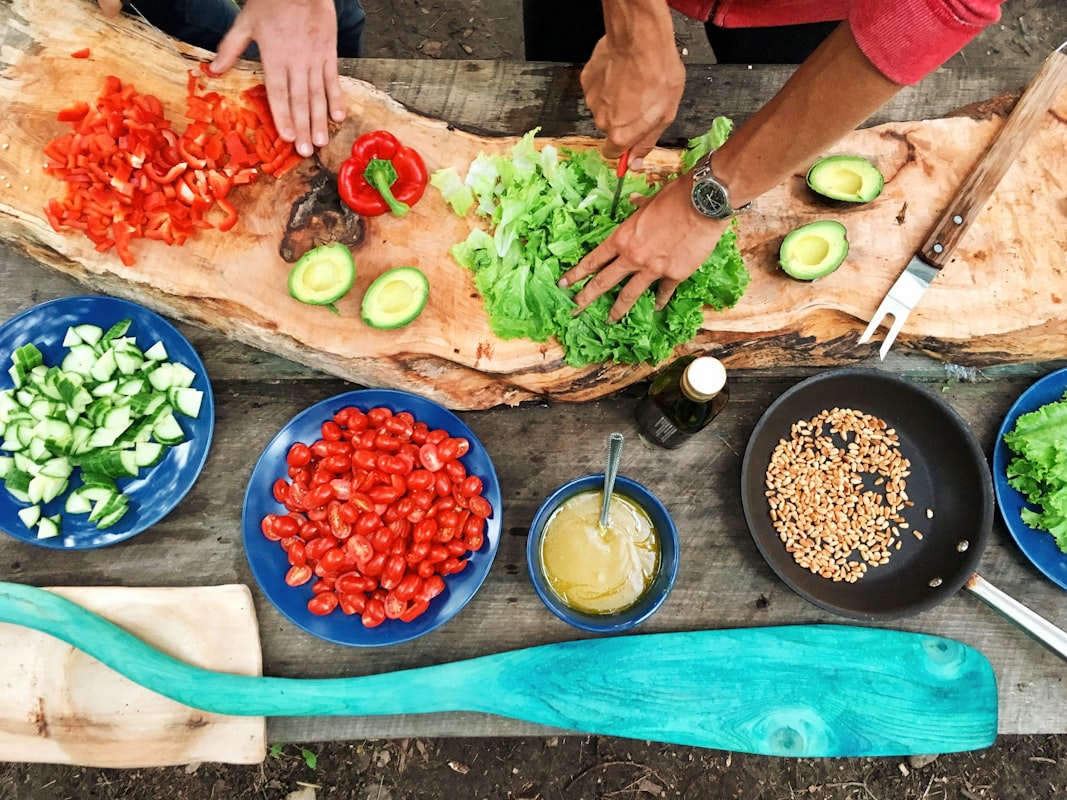
Vegetable Mastery
Explore roasting, steaming, sautéing, and raw preparation methods. Understand which vegetables pair well together and how to retain maximum flavor and nutrition.
Read Articles →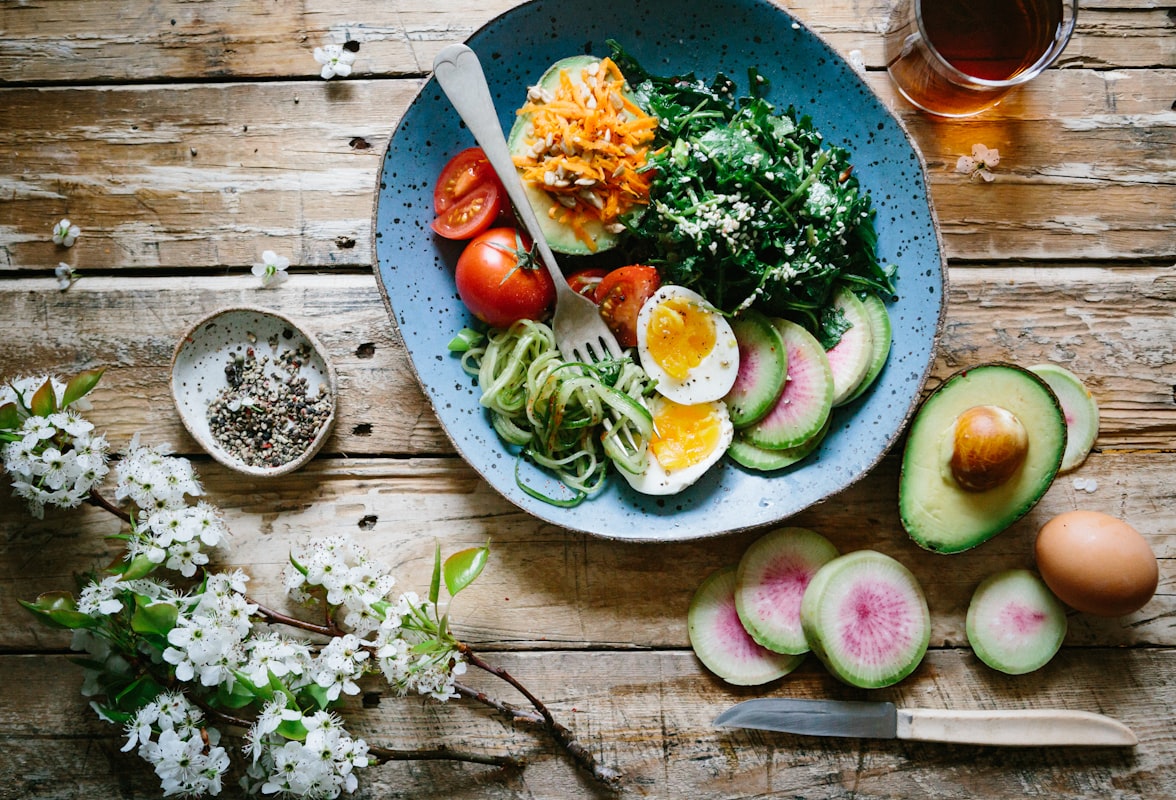
Meal Planning Basics
Develop strategies for planning weekly menus, organizing your shopping list, and preparing ingredients efficiently. Smart planning saves time and reduces food waste.
Read Articles →Key Benefits of Home Cooking
Fresh Ingredient Quality
When you shop and cook for yourself, you select the freshest produce, highest quality proteins, and cleanest ingredients. There are no hidden additives, excess sodium, or mysterious processing methods.
Wellness Support
Preparing balanced meals with whole foods, healthy fats, and adequate fiber supports your body's natural functions. Cooking at home encourages eating patterns that align with your personal wellness goals.
Culinary Confidence
With practice and the right techniques, cooking becomes intuitive and enjoyable. You develop the ability to improvise, adapt recipes, and create meals that reflect your personal taste preferences.
Economic Value
Buying whole ingredients and cooking yourself costs significantly less than takeout or pre-packaged meals. You stretch your budget further while eating better quality food.
Mindful Connection
Cooking engages your senses and creativity. The hands-on process of preparing meals fosters a deeper awareness of the food you eat and how it nourishes you.
Family Time & Togetherness
Cooking and eating together strengthens family bonds. When you prepare meals at home, you create opportunities for conversation, shared meals, and passing culinary knowledge to others.
Your Cooking Journey in Five Steps
A practical roadmap to building lasting home cooking habits
Learn Basics
Understand fundamental techniques like knife skills, heat control, seasoning, and food safety. These foundations make everything else easier.
Select Quality Ingredients
Learn to choose fresh produce, quality proteins, and whole grains. Visit farmers markets, read labels, and understand seasonal availability.
Plan Your Meals
Develop a weekly meal plan that balances variety, nutrition, and your schedule. Simple planning prevents food waste and reduces daily decisions.
Practice Regularly
Cook several times per week to build muscle memory and intuition. Each meal teaches you something new about ingredients and techniques.
Refine Your Style
Develop your personal cooking style by exploring cuisines you love, experimenting with new ingredients, and adapting recipes to your taste.
Stories from Home Cooks
"
I never thought I could cook restaurant-quality meals at home, but the techniques I learned transformed my approach to food. Now my family looks forward to dinner every night, and I feel confident experimenting with new ingredients and cuisines.
Marco Rossi
Milano, Italy
"
Learning to cook at home has been one of the best decisions for my health. I know exactly what goes into every meal, and I've discovered that home-cooked food actually tastes better when you prepare it yourself.
Giulia Conti
Roma, Italy
"
The resources and guidance have made cooking so much more accessible. What used to feel intimidating is now a regular part of my routine. I've saved money, improved my eating habits, and genuinely enjoy time in the kitchen.
Andrea Ferraro
Napoli, Italy
"
I started cooking more at home to make better choices for my family, and it's become something we all love together. The kids enjoy helping in the kitchen, and we're all eating better without feeling like we're missing out on anything.
Sophia Bianchi
Firenze, Italy
Frequently Asked Questions
What if I have limited cooking experience?
Everyone starts somewhere. Our content covers fundamental techniques and builds progressively. Start with simple recipes using few ingredients, master basic skills like knife work and temperature control, and gradually explore more complex dishes as your confidence grows.
How much time does meal preparation actually take?
It varies by recipe, but many nutritious meals can be prepared in 30-45 minutes. With meal planning and ingredient prep, you can streamline your cooking process. Over time, as techniques become automatic, you'll work faster and more efficiently.
What equipment do I actually need to cook well at home?
You need less than you might think. A sharp knife, cutting board, few good pots and pans, measuring tools, and a mixing bowl cover most needs. Quality basics matter more than owning many specialized gadgets. Invest in essentials first, then add tools as needed.
How do I find fresh, quality ingredients locally?
Farmers markets, local shops, and seasonal produce sections of grocery stores offer the freshest options. Build relationships with vendors, ask about sourcing, and learn when different produce is in season. Supporting local suppliers often means fresher food and better flavor.
Can I meal prep in advance without losing nutritional value?
Yes, strategic meal prep works well. Prepare components like grains, roasted vegetables, and proteins separately, then combine them into different meals throughout the week. Some dishes improve with time as flavors develop, while others taste best freshly made. Learn which is which.
What should I do if a recipe doesn't turn out well?
Failed dishes are learning opportunities. Note what changed: cooking time, temperature, ingredient quality, or technique. Try again with adjustments. Keep notes on your experiments. Over time, you'll develop intuition about why things happen and how to troubleshoot problems.
How can I reduce food waste when cooking at home?
Plan meals around ingredients you already have, buy only what you'll use, and learn storage techniques that preserve freshness. Vegetable scraps, stale bread, and overripe fruit become broths, croutons, and smoothies. Creative use of whole ingredients minimizes waste naturally.
Are there resources for specific cooking styles or dietary approaches?
Yes. Explore articles on different cuisines, cooking techniques, and ingredient categories. Whether you're interested in Mediterranean cooking, plant-based meals, grain preparation, or vegetable techniques, our content covers diverse approaches to help you find what resonates with you.
Stay Updated with Cooking Tips
Get fresh insights about home cooking, recipes, and techniques delivered to your inbox
We respect your privacy. Unsubscribe at any time. No spam, only useful content.
Ready to Explore More?
Discover comprehensive articles on cooking techniques, recipes, meal planning, ingredient selection, and building sustainable food habits that support your wellness and lifestyle.