
Master the Art of Home Cooking
Discover how preparing nutritious meals in your own kitchen transforms your relationship with food and builds lasting healthy habits
The information on this site is for educational purposes only and does not constitute medical advice. Always consult a qualified healthcare professional before making health decisions.
Essential Cooking Features & Benefits
Learn what makes home cooking the foundation of nutritious eating
Full Ingredient Control
When you cook at home, you decide exactly what goes into every dish. Choose fresh, whole ingredients without hidden additives, excess sodium, or refined sugars. This transparency is impossible when relying on processed or restaurant-prepared foods.
Nourishment & Wellness
Home-cooked meals retain more nutrients than heavily processed alternatives. Gentle cooking methods preserve vitamins and minerals while building meals around whole foods that support your body's natural functions and energy levels.
Cost Efficiency
Buying raw ingredients and preparing meals yourself costs significantly less than dining out or purchasing pre-made convenience foods. You stretch your budget further while eating better, making nutritious eating accessible to all income levels.
Mindfulness & Awareness
Cooking connects you directly to your food. You engage with flavors, textures, and ingredients mindfully. This awareness naturally builds better eating habits and helps you understand how different foods affect how you feel throughout the day.
Family Connection
Preparing meals together strengthens family bonds and teaches everyone, especially children, valuable life skills. Home cooking creates opportunities for quality time and instills appreciation for real food and shared meals.
Culinary Confidence
Learning to cook well builds confidence in your kitchen. Over time, you develop skills that allow you to adapt recipes, work with seasonal ingredients, and create meals your family actually enjoys eating together.
Why Home Cooking Is the Foundation of Better Nutrition
When you prepare your own meals, you become directly responsible for what you eat. This fundamental shift transforms how you relate to food and establishes habits that last a lifetime. Home cooking removes the guesswork and hidden ingredients that make maintaining good nutrition difficult when eating processed or restaurant foods.
The act of cooking itself—selecting ingredients, understanding portions, experimenting with flavors—creates a practical education in nutrition. You learn which foods work well together, how different cooking methods affect taste and texture, and which meals make you feel most energized and satisfied.
Real Ingredients, Real Results
Whole foods provide your body with the nutrients it needs to function optimally without unnecessary additives.
Sustainable Long-Term Habits
Cooking becomes easier and more enjoyable as you develop skills and confidence in the kitchen.
Personalized Nutrition
You can adapt recipes and meals based on your preferences, seasonal availability, and what works best for your lifestyle.

Your 4-Step Cooking Journey
Transform your relationship with food through practical, progressive steps
Learn the Basics
Start with fundamental cooking techniques—how to chop vegetables properly, understand heat control, and master essential methods like roasting, steaming, and sautéing. These foundations make every future meal easier.
Choose Fresh Ingredients
Develop an eye for quality produce and whole ingredients at your local markets. Learn to recognize ripeness, seasonality, and freshness. Understanding what you're working with is the secret to delicious, nutritious cooking.
Plan & Prepare Meals
Begin meal planning to use ingredients efficiently and reduce waste. Simple prep work—washing, chopping, organizing—makes weekday cooking faster and less stressful. Consistency builds confidence.
Build Lasting Habits
As cooking becomes routine, you naturally make better food choices and understand your body's needs. Home cooking shifts from a chore to a source of daily satisfaction and health empowerment.
Nutritious Meals in Action
See how home cooking brings fresh, wholesome nutrition to your table
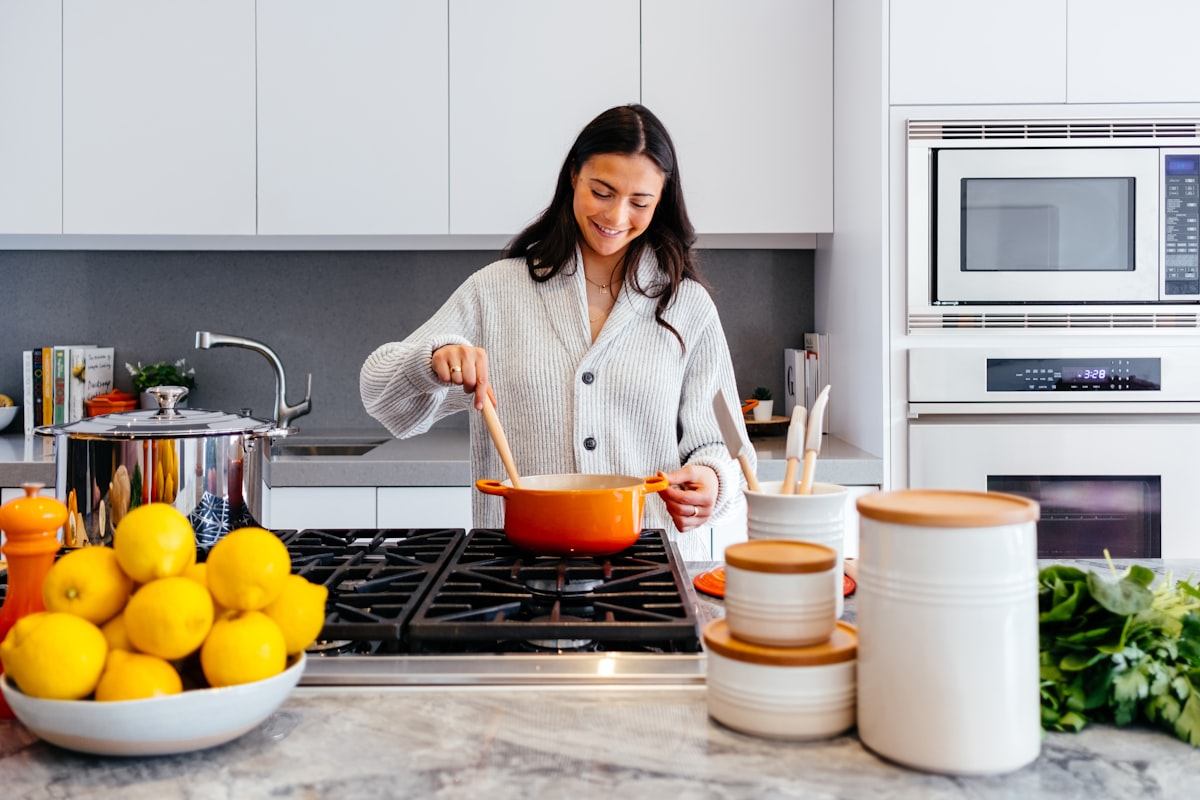
Vibrant Vegetable Dishes
Simple techniques that preserve color, flavor, and nutritional value of fresh produce.
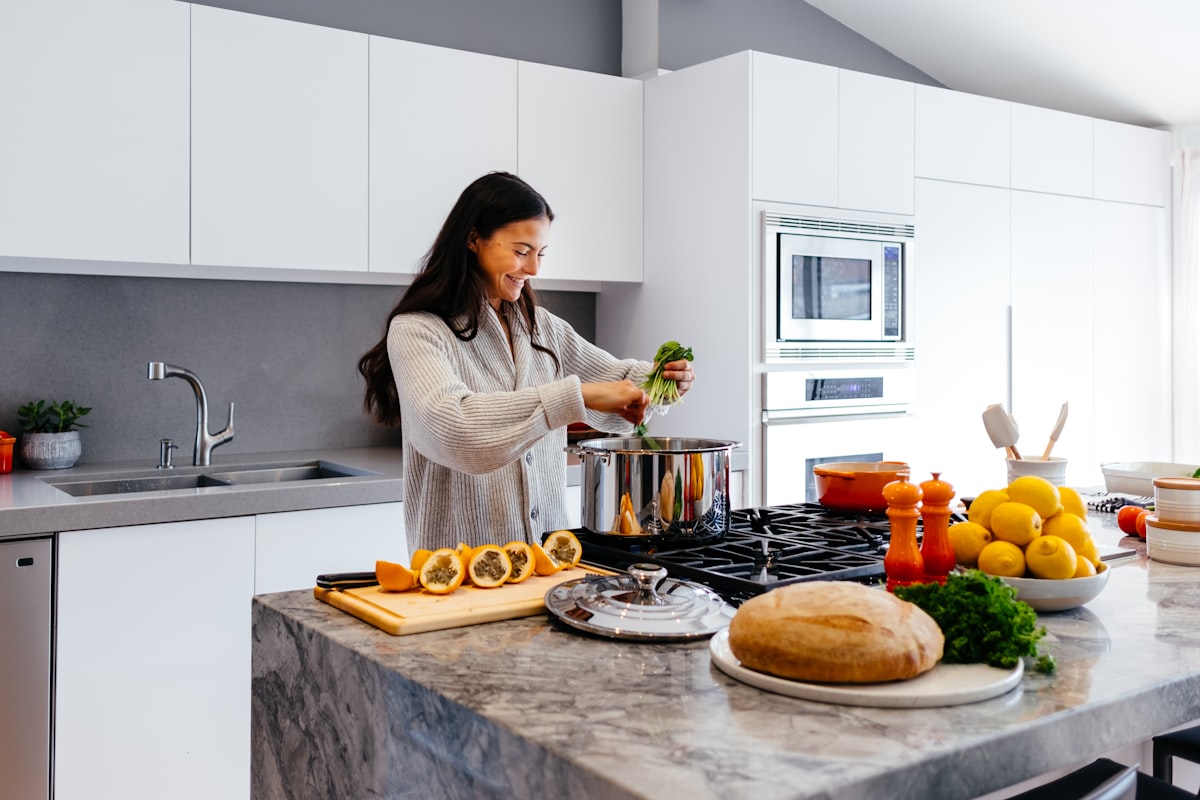
Protein-Rich Preparations
Learn to cook fish, poultry, and legumes that keep you satisfied and energized.
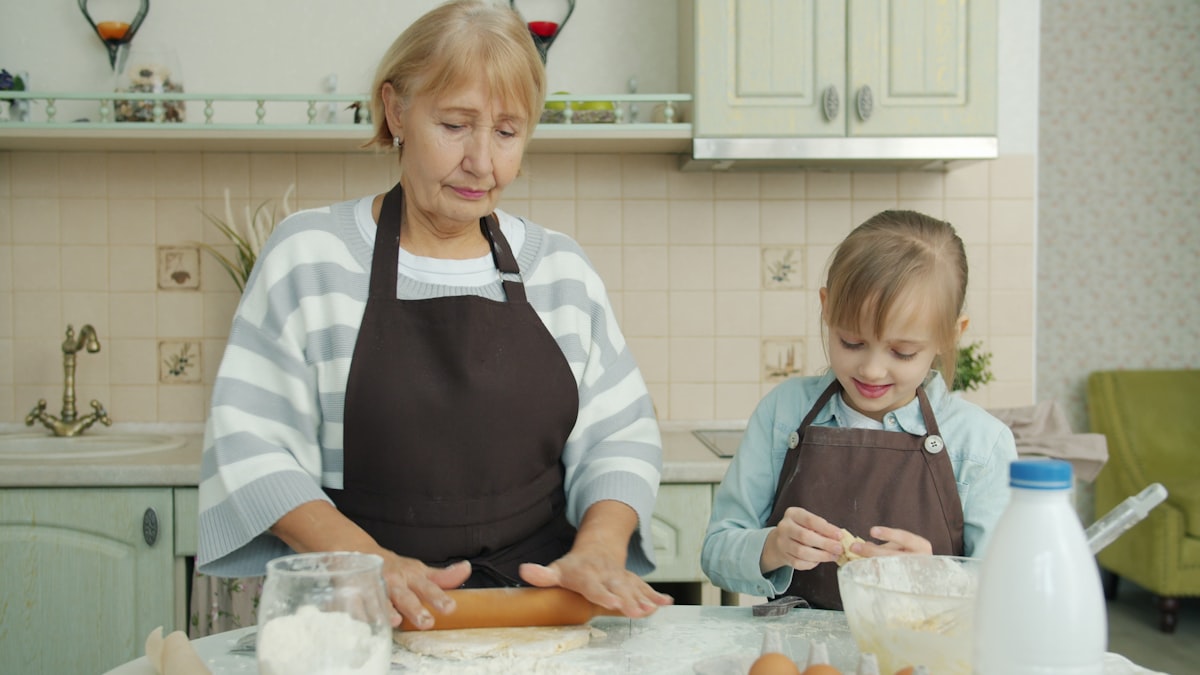
Fresh Salads & Sides
Go beyond basic salads to create nutrient-dense sides that complement every meal.
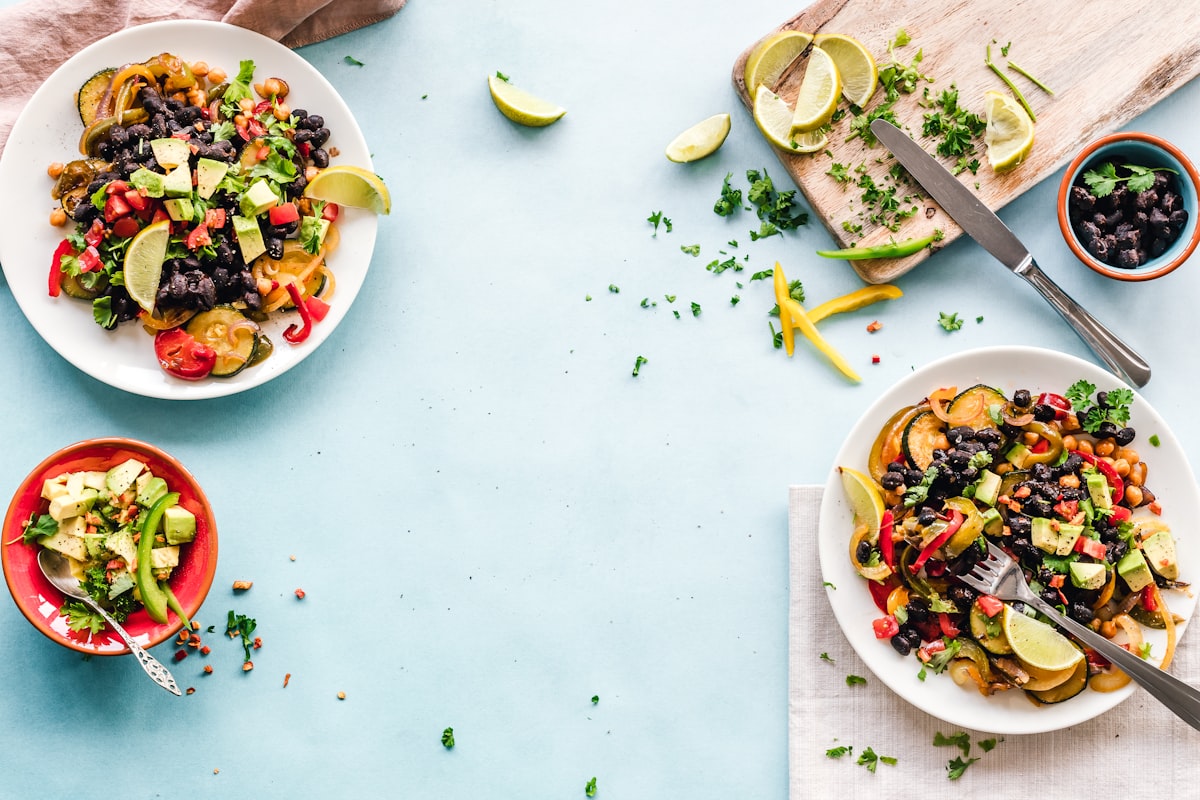
Balanced Grain Bowls
Build satisfying meals around whole grains, vegetables, and quality proteins.
Home Cooking vs. Convenience Foods
Understand the real differences in nutrition, health, and lifestyle
Home Cooking
- Complete ingredient transparency — you know exactly what's in every bite
- Higher nutrient retention — gentle cooking preserves vitamins and minerals
- No hidden additives — free from excess salt, sugar, and preservatives
- Lower overall cost — raw ingredients provide better value than prepared foods
- Develops practical skills — cooking knowledge stays with you for life
- Customization & control — adapt recipes to your tastes and needs
Convenience Foods
- Ingredients listed but often obscure or hard to pronounce
- Processing and long shelf-life reduce nutrient availability
- Typically high in sodium, added sugars, and artificial ingredients
- Often more expensive per serving despite lower quality
- No learning involved — contributes to kitchen dependence
- Limited options — you eat what corporations decide to sell
Essential Tools & Resources for Your Kitchen
Everything you need to start cooking nutritious meals at home
Quality Knives
A sharp chef's knife and cutting board are your most essential tools. Quality knives make preparation faster, safer, and more enjoyable. Invest in one good knife rather than a set of mediocre ones.
Heavy-Bottomed Pans
Good cookware distributes heat evenly and prevents burning. A quality saucepan, skillet, and pot are worth their investment. Non-stick surfaces make some cooking easier, but stainless steel offers better versatility and durability.
Colander & Strainer
Essential for draining pasta, rinsing vegetables, and washing grains. A good colander with sturdy handles makes these daily tasks easier and more efficient. Quality construction prevents items from slipping through.
Kitchen Scale
A digital scale removes guesswork from cooking and baking. Understanding portions and ingredient weights helps you create consistent results and learn about proper serving sizes as you develop your cooking skills.
Reliable Recipes
Start with straightforward recipes that teach fundamental techniques. Look for sources that explain the "why" behind instructions, not just the "what." This foundation builds your confidence and helps you understand cooking principles.
Community & Support
Connect with others who share your interest in home cooking. Join local cooking classes, online forums, or cooking groups. Sharing recipes and experiences accelerates your learning and makes cooking more enjoyable and sustainable.
Common Questions About Home Nutrition
Find answers to help you start your cooking journey
What if I have no cooking experience?
Everyone starts as a beginner. The best approach is to begin with simple recipes that use few ingredients and basic techniques like boiling, steaming, or roasting. As you practice, your skills and confidence grow naturally. Online tutorials and cookbooks specifically designed for beginners provide helpful guidance.
How much time does home cooking actually take?
Many simple, nutritious meals take 20-30 minutes to prepare. As you develop skills, you work faster. Meal planning and basic prep work—washing and chopping vegetables in advance—cuts weeknight cooking time significantly. Weekend batch cooking makes weekday meals faster still.
Is home cooking really cheaper than eating out?
Yes, significantly. Buying raw ingredients costs a fraction of restaurant or processed food prices. A home-cooked meal typically costs 30-50% less per serving. Over time, savings are substantial while nutrition quality increases, making home cooking both economical and beneficial.
How do I know if ingredients are truly fresh?
Learn to recognize quality by sight, touch, and smell. Shop at farmers markets when possible—you can ask growers directly about freshness. Look for bright colors, firm texture, and good smell. Local seasonal produce is usually fresher than imported items that've traveled long distances.
What basic techniques should I master first?
Start with roasting vegetables, boiling pasta, sautéing, steaming, and simple pan-frying. These five techniques cover most everyday cooking. Master knife skills for chopping vegetables safely and efficiently. Once comfortable with these basics, you can explore more complex methods.
How do I reduce food waste in my kitchen?
Plan meals around ingredients you already have. Buy only what you'll realistically use. Learn proper storage—some items belong in the refrigerator while others store better at room temperature. Use vegetable scraps for stock. Freeze vegetables and bread before they spoil. Small habits prevent significant waste.
Start Your Healthy Cooking Adventure Today
Explore our collection of articles, tips, and resources designed to help you master the fundamentals of nutritious home cooking. Your kitchen is where better health begins.
What Our Readers Say
Join thousands of people transforming their eating habits
"Freshfoodhabits completely changed how I approach cooking. The tips are practical, and I've never felt better about my dietary choices."
Sarah M.
Austin, TX
"I love how detailed the nutrition guides are. Finally, a resource that doesn't oversimplify healthy eating. Highly recommend!"
James P.
Seattle, WA
"The meal prep articles saved me so much time. I'm cooking healthier meals for my family, and everyone loves the food!"
Elena R.
Denver, CO
Frequently Asked Questions
Quick answers to common questions about healthy cooking
Do I need special equipment to cook healthy meals?
No! While quality knives and pans help, you can create nutritious meals with basic kitchen tools. Our guides show you how to maximize what you have.
How much time do healthy meals actually take?
Many nutritious dishes take 20-30 minutes. We focus on recipes that are quick, simple, and delicious—perfect for busy schedules.
Is healthy eating expensive?
Not necessarily! We share budget-friendly tips and show how seasonal, whole ingredients can be affordable. Healthy eating is accessible to everyone.
Can I find recipes for dietary restrictions?
Absolutely! We cover gluten-free, vegan, keto, and many other dietary needs. Browse our full collection or use filters to find what works for you.
Get Fresh Tips Every Week
Subscribe to our newsletter for exclusive recipes, nutrition insights, and cooking hacks delivered to your inbox.
No spam. Unsubscribe anytime. Your privacy is our priority.
Freshfoodhabits
Your trusted source for healthy cooking fundamentals and nutritious lifestyle tips.
Resources
© 2024 Freshfoodhabits – P.IVA: IT87310770611. All rights reserved. | Privacy Policy | Terms of Service